
The Next Generation of Storytellers
By: SVWC
SVWC Is Investing in Young Readers and Writers Across the Wood River Valley
Across the country, literacy rates are declining. Fewer young people report reading for pleasure. And in a world increasingly shaped by division, distraction, and digital noise, the ability to read deeply, think critically, and tell one’s own story has never mattered more.
In the Wood River Valley, something different is happening.
Through a growing network of youth programs, the Sun Valley Writers’ Conference (SVWC) is investing in the next generation of readers, writers, and thinkers—not just during one week in July, but year-round. These programs are not simply about books—they are about confidence, connection, and giving young people the tools to understand both themselves and the world around them.
And increasingly, they are working.
“I can do something great with my writing.”
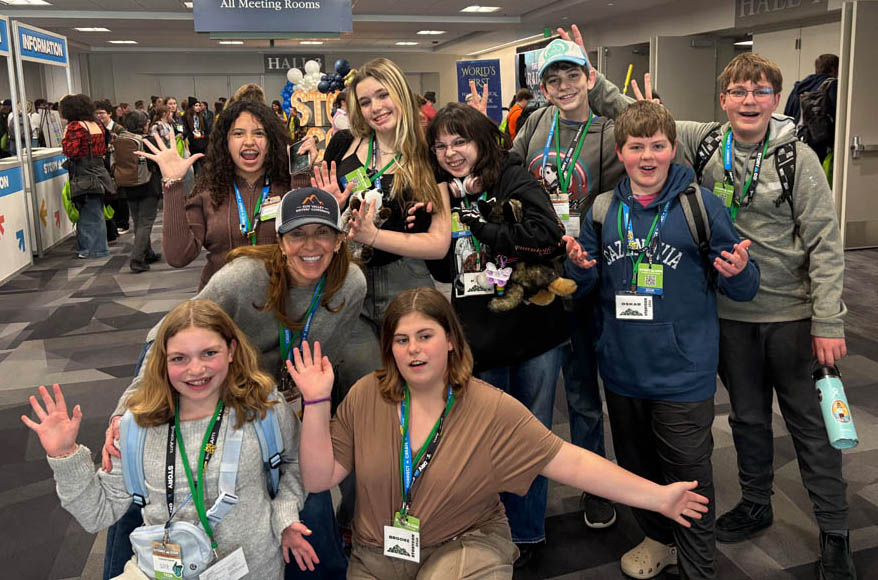
In February, SVWC sent 37 local students to StoryCon, a writing conference in Salt Lake City designed specifically for tweens and teens. For many, it was their first time stepping into a professional literary space—one where their voices weren’t just welcomed but taken seriously.
They attended workshops, listened to authors, and shared their own work alongside peers from across the region.
The shift was immediate.
“This trip helped me believe that I can do something great with my writing.” – Emma G.
“This trip helped me gain the confidence to share my story with the world!” – Isabella T.
“This trip was so fun and inspiring, I want to go make a book now.” – Evan S.
“This trip inspired me to keep writing and never give up!” – Rosemary M.
Moments like these are easy to overlook—but they are often the turning point. The moment a student stops seeing writing as an assignment and starts seeing it as a possibility.
Reading as a doorway to understanding
That sense of possibility continues in classrooms across the valley.
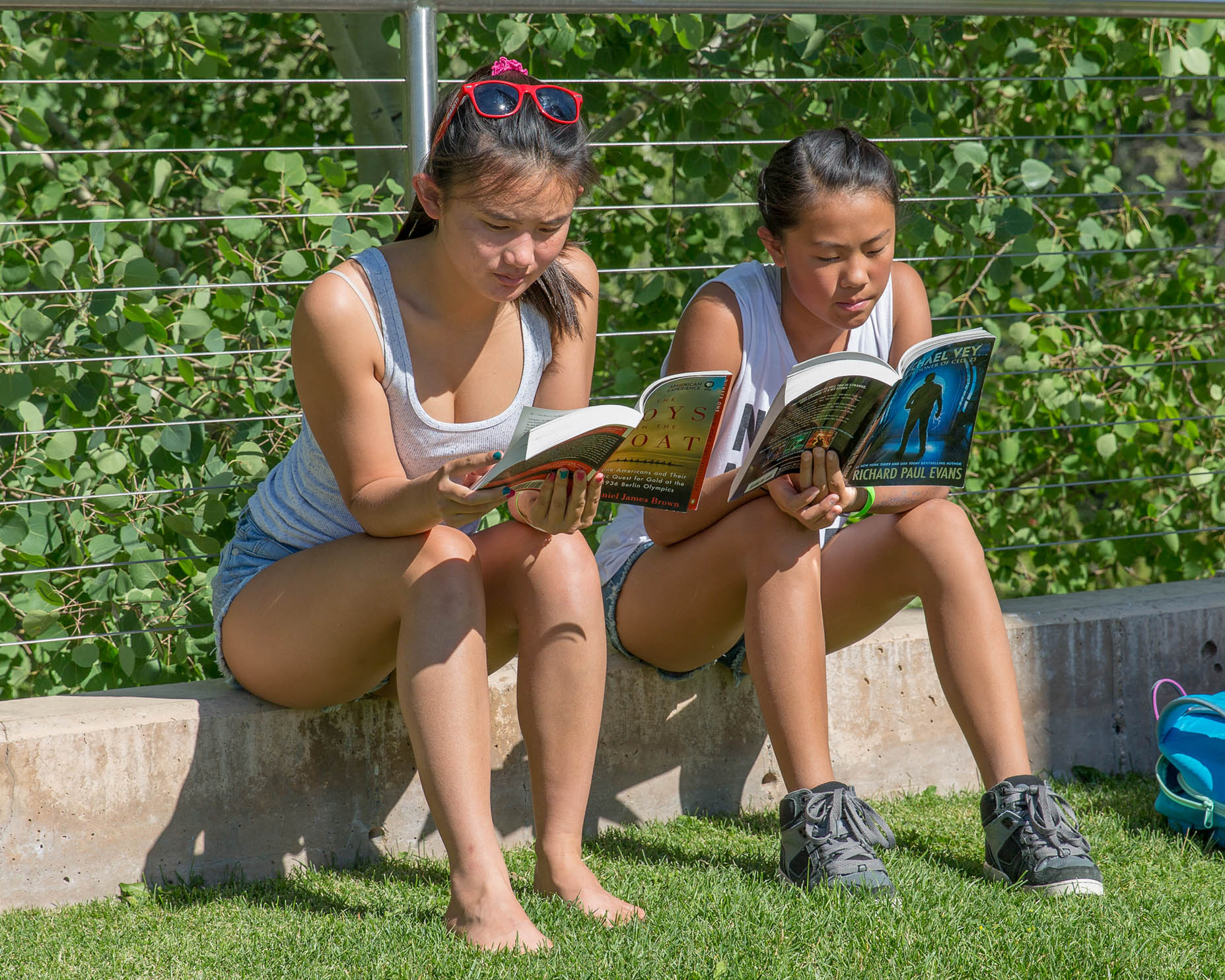
Through SVWC’s Next Chapter Program, students receive free books by contemporary authors—writers they will later see on stage at the Conference. It’s a simple idea with powerful results: read the work, then meet the mind behind it.
In one Wood River High School classroom, students reading Paper Girl by journalist Beth Macy found themselves in conversations that reached far beyond the page.
As their teacher, Stephanie Spindler, shared, “This book opened the door to discussions on globalization, ideology, poverty, the Pell Grant, and opioid use, but most importantly, how we learn to listen to each other.”
One student put it even more simply: “All in all, Paper Girl taught me to love thy neighbor—not dismiss or blame others—because, as humans, we all only wish to be safe and happy.”
This is what reading can do at its best. It expands empathy. It challenges assumptions. It builds the kind of thinking that carries into adulthood—and into civic life.
From the page to real life
For many students, the experience comes full circle in July.
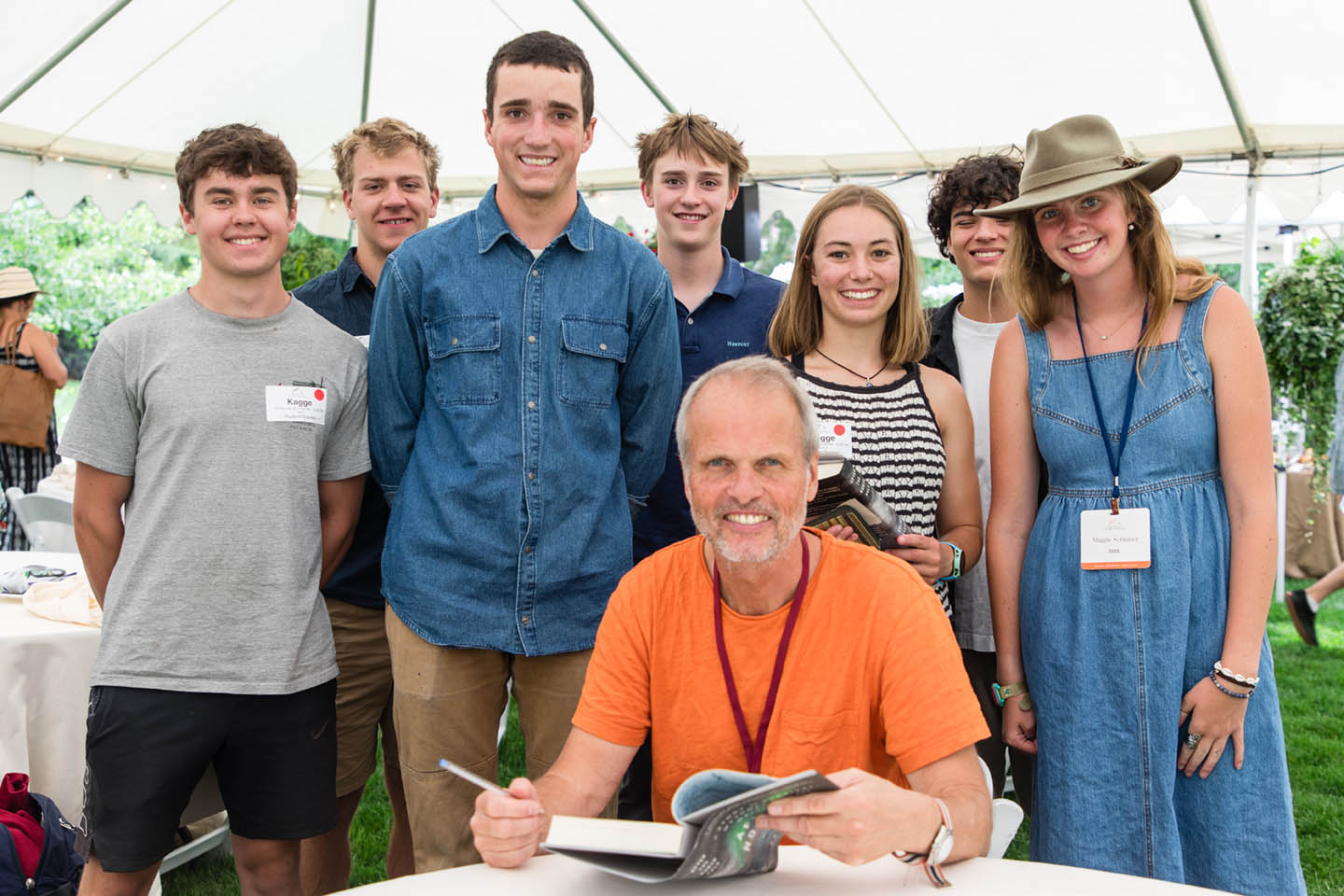
At the annual Student/Author Luncheon, students sit down with a nationally recognized writer—not in a lecture hall, but in conversation. This year’s featured guest, journalist Beth Macy, will meet with students who have already read her work, giving them the rare chance to ask questions, challenge ideas, and see firsthand what a life of writing looks like.
It’s one thing to read a book. It’s another to realize the person who wrote it is sitting across from you—and that you could follow a similar path.
Stories that build empathy—and bridge divides
Not all storytelling happens on the page.
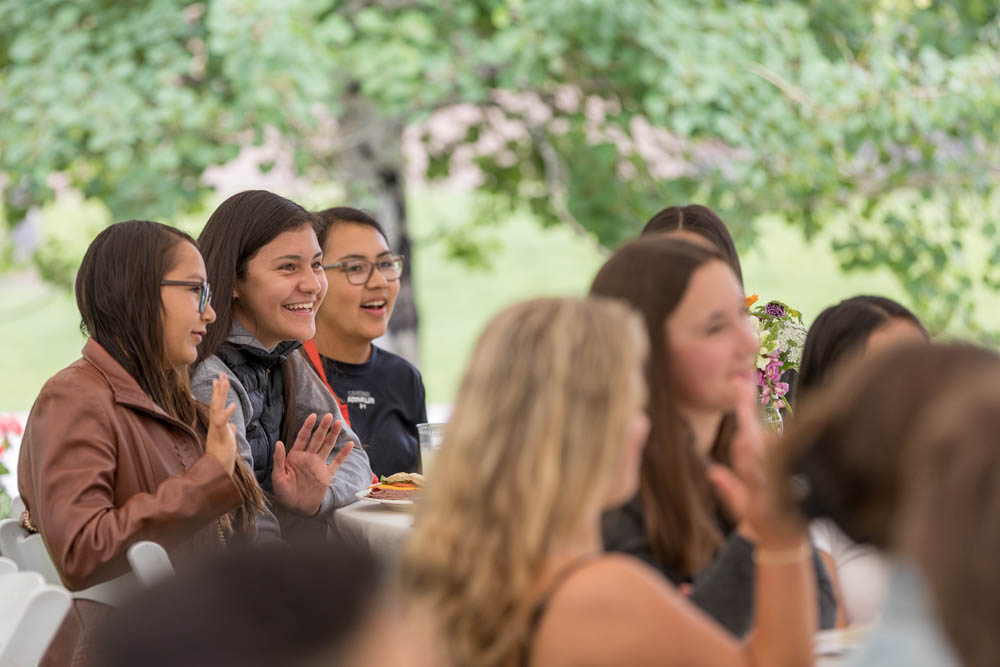
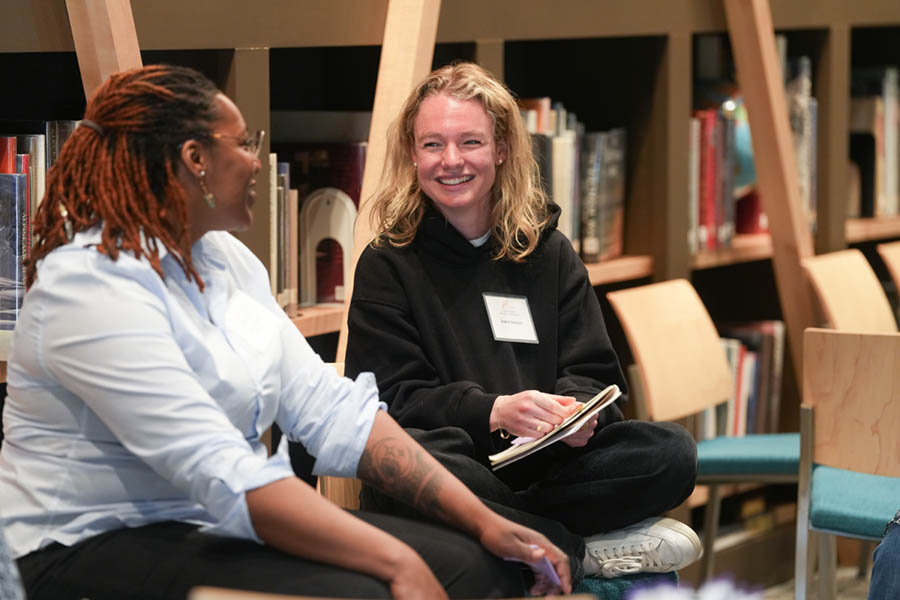
On April 25, SVWC brought Narrative 4—a global nonprofit founded by author and SVWC alum Colum McCann—to the valley. Their workshops use a simple but powerful model: participants share personal stories, then retell each other’s experiences as if they were their own.
In a time of increasing polarization, this kind of work is more than meaningful—it’s necessary.
Research has shown that Narrative 4’s “Story Exchange” model can reduce division and increase empathy among participants. But the real impact is felt in the room: when someone listens closely enough to carry another person’s story, even briefly, as their own.
Bringing authors directly to students
SVWC’s School Speaker Series ensures that inspiration doesn’t require travel.
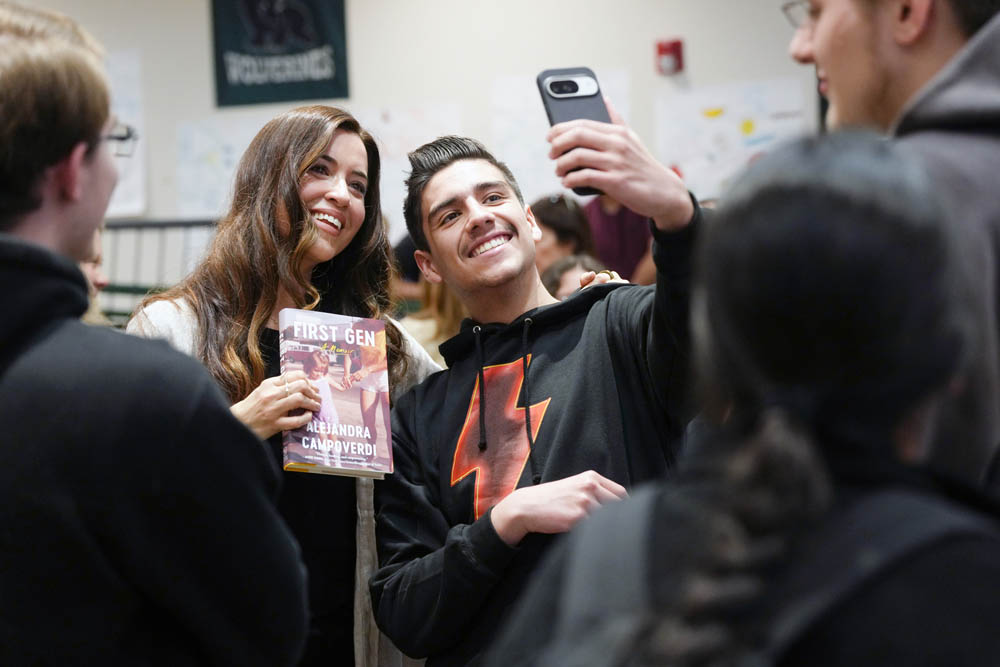
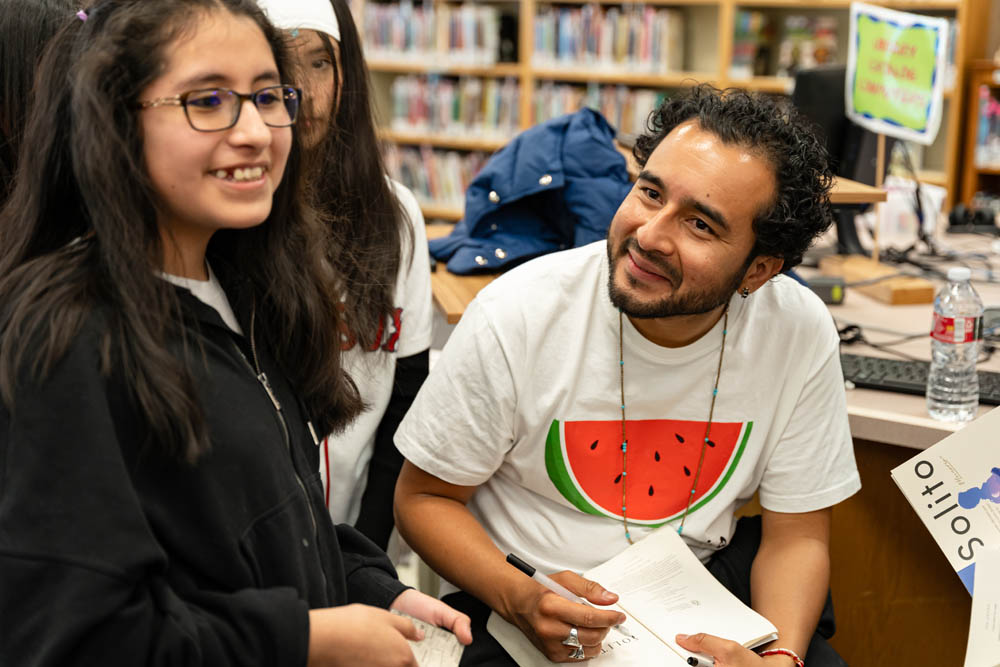
From large school assemblies to smaller, more personal visits, authors are brought directly into classrooms across the valley. Students hear not just about books, but about the lived experiences behind them—from immigration journeys to creative breakthroughs.
For some students, it’s the first time they’ve seen their own stories reflected in literature—or imagined that their voices belong there, too.
Investing in the writers of tomorrow
The commitment doesn’t stop with local students.
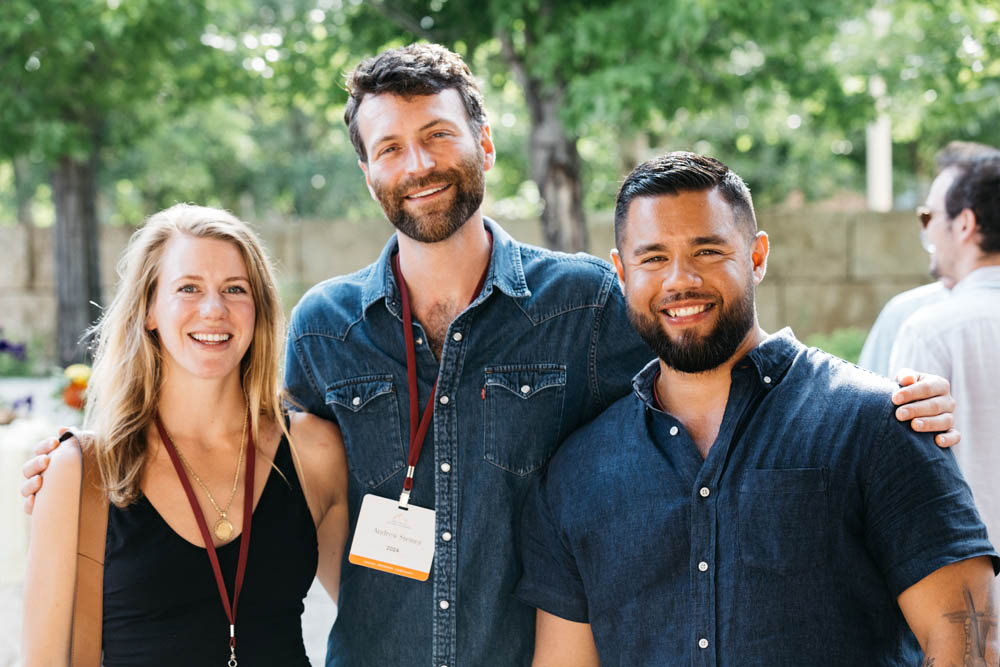
Through the Writing Fellows Program, SVWC brings emerging writers from across the country to the Conference—many from diverse and underrepresented backgrounds. These are the voices shaping the future of American literature, given the opportunity to learn, connect, and grow alongside some of today’s most celebrated authors.
It’s an investment not just in individual careers, but in the stories that will define the next generation.
Why this matters now
Taken together, these programs form something larger than the sum of their parts.
They create a pipeline—from early inspiration to deeper engagement, from reading to writing, from listening to understanding. They meet students where they are and invite them to imagine more.
At a time when literacy is declining and meaningful dialogue can feel increasingly rare, this work becomes more and more essential.
Every book placed in a student’s hands, every author conversation, every moment of confidence sparked in a young writer—these are the building blocks of a stronger, more thoughtful, more connected community.
The next generation of storytellers is already here. The question is whether we will continue to invest in them.
–
We thank our donors and their generosity for making these special programs possible. To learn more about supporting SVWC, visit our donations page.
Photo credits: Samantha Mora, Gretchen Gorham, Ray Gadd, Kirsten Shultz, Steve Smith, Tessa Sheehan,